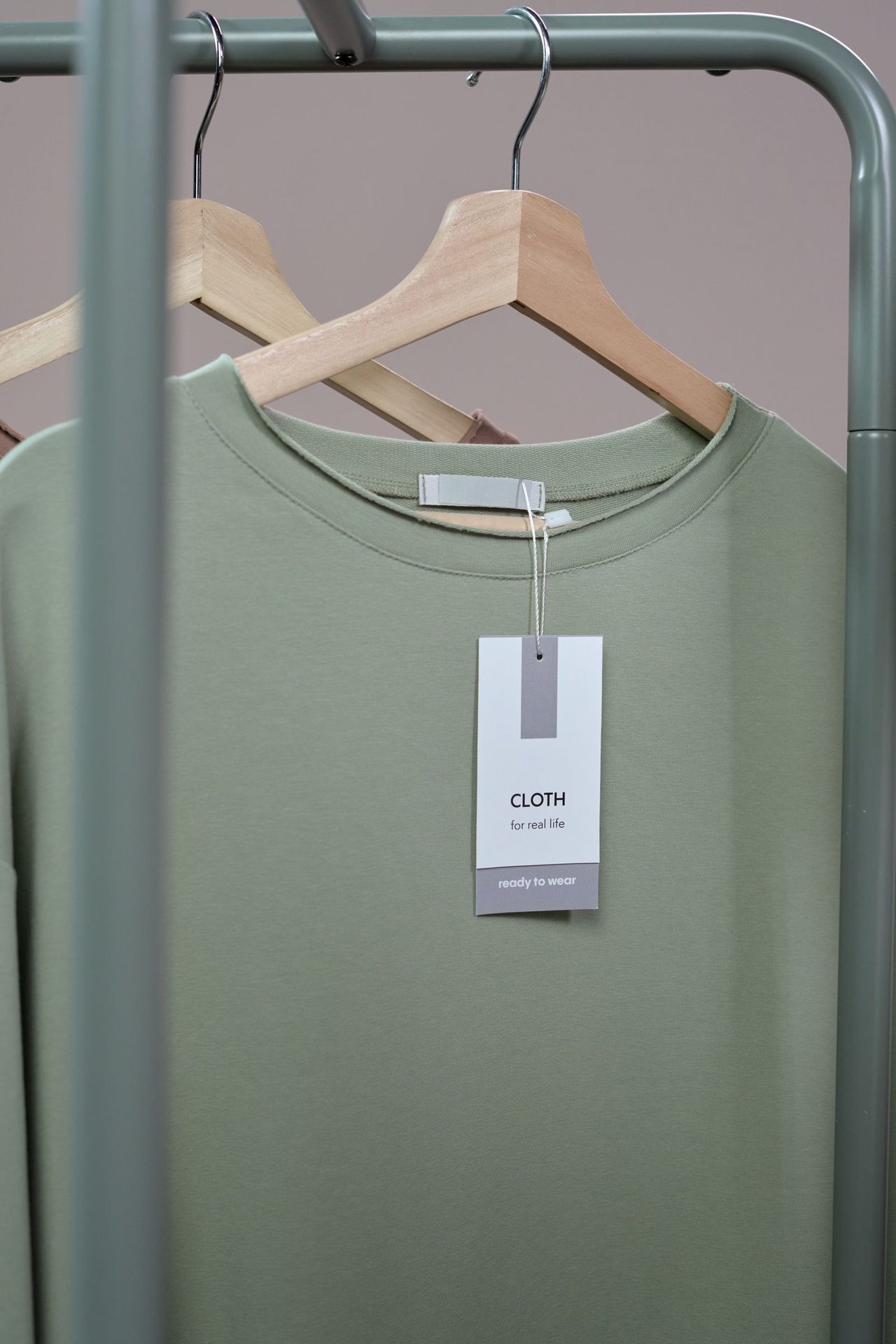
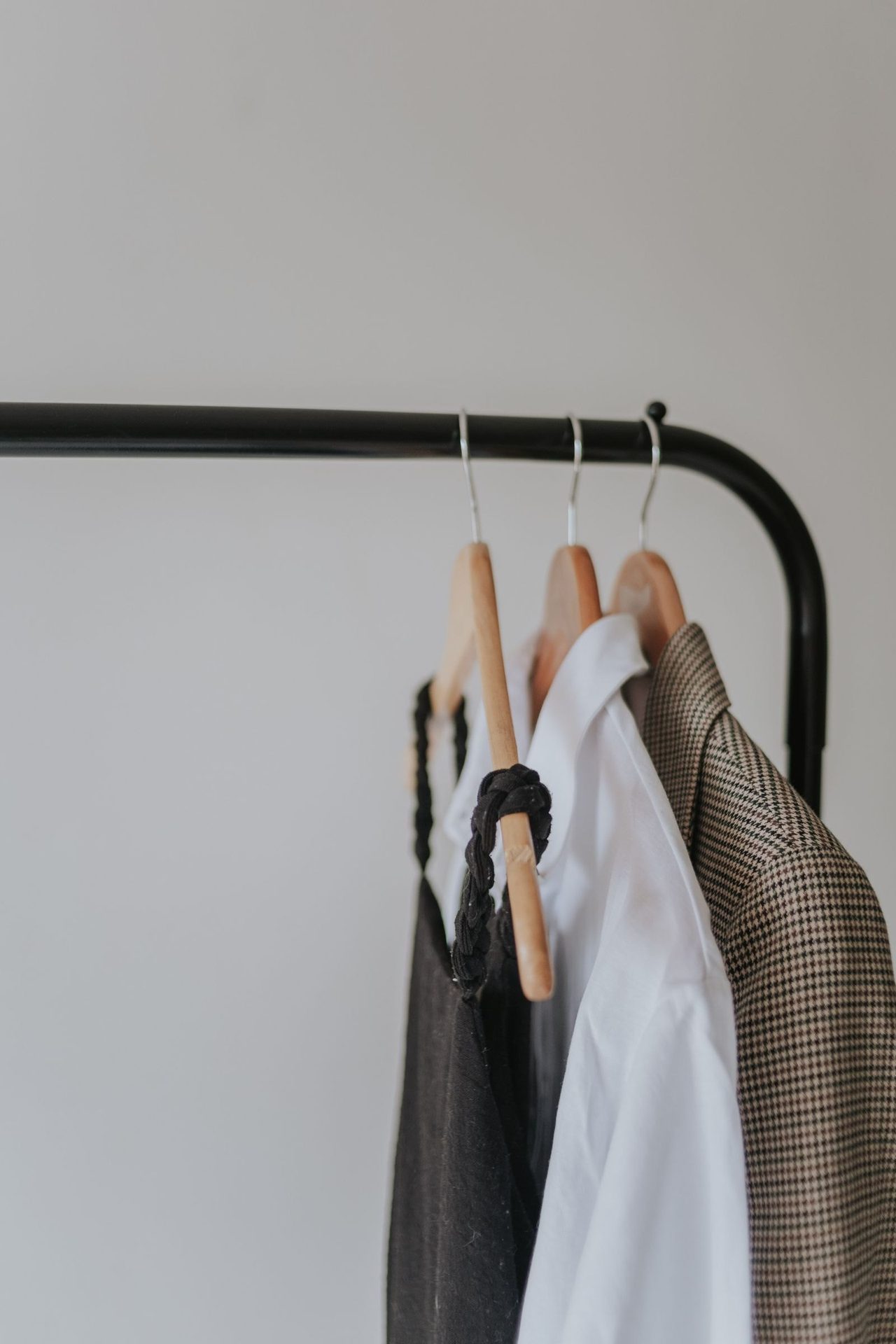
Editor's intro: these are formulas, not trends — each look is built from pieces most wardrobes already own, labelled with a budget tier for the key piece (Low under ~$25, Mid ~$25-$100, High $100+). Save the ones that fit your week and build from there; the checklist at the end turns the collection into outfits.
Budget: Low
Audit Your Work Rail Monthly
Once a month, pull every work piece you did not wear and ask which of the three failures it is: fit, fabric, or fantasy (bought for a job you don't have). Fantasy pieces leave first. A work rail where everything is worn is what makes five-minute mornings possible — the audit is the maintenance that keeps the system honest.
Low budget
Budget: Low
Formula: Build Backwards From the Shoes
On mornings when nothing pairs, start at the floor: pick the shoes the day actually requires (walking, standing, weather), then the bottom that suits them, then the top that suits the bottom. Decisions shrink from sixty combinations to three sequential choices. Most 'nothing to wear' mornings are really 'wrong starting point' mornings.
Low budget
Budget: Low
Cost Per Wear Beats Price, Every Time
A $180 coat worn 90 times costs $2 a wear; a $40 coat worn twice costs $20. Before any capsule purchase, estimate honest wears for the season and divide. The maths reverses most shopping decisions — the expensive staple is usually the bargain, and the cheap novelty is the luxury. Write the number on the receipt and check it in the audit.
Low budget
Budget: Low
The One-In-One-Out Rule, Enforced by Rail Space
A capsule stays a capsule only if the rail is the limit: fix the number of hangers, and a new piece can only enter when one leaves. The physical constraint does what willpower doesn't. Keep the departed piece in a box for a month before donating — retrieval rights make the rule painless enough to actually keep.
Low budget
Budget: Low
Choose Your Metal and Commit
Gold or silver — pick the one your skin and wardrobe already lean toward, and let every belt buckle, bag clasp, watch and jewellery piece match it. Mixed metals are the invisible reason outfits look slightly off in photos. Committing costs nothing at purchase time and quietly unifies everything you already own.
Low budget
Budget: Mid
The Capsule Needs a Uniform Layer
Every climate capsule needs one mid-layer that goes over knits and under coats without bunching — a fine gilet, a sleeveless knit, or a thin quilted liner. It adds a season to lighter coats and rescues outfits on in-between days, which are most days. Buy it in your darkest neutral so it disappears into every combination.
Mid budget
Budget: Low
Palette Extension: One Print, Three Colours
Add print last, not first. Choose one printed scarf, skirt or blouse that repeats all three palette colours exactly, then test it against every neutral on the rail. If it clashes with even one core piece, leave it — a true palette print should unlock at least six outfits.
Low budget
Budget: Mid
The Three-Fit Rule for Every Bottom
Keep bottoms in just three fits: one straight, one wide and one slim. Hold the silhouette count, not the colour count, steady and tops become interchangeable. When a fourth fit appears, outfits stop mixing and the rail quietly splits into separate mini-wardrobes.
Mid budget
Budget: Low
Hem Lengths That Match Your Shoes
Set two working hem lengths and tailor everything to them: ankle-bone for flats and trainers, and just grazing the vamp for a heeled shoe. A trouser that needs a different shoe height every wear creates friction, and friction is what leaves good pieces unworn.
Low budget
Budget: Low
Neckline Audit by Layering Order
Lay tops in layering order and check the necklines stack cleanly: a crew under a V, a roll neck under a scoop, never two high necks fighting. Photograph each stack flat. Gaps show instantly on camera, and fixing one neckline saves three awkward mid-layer outfits.
Low budget
Budget: Mid
Cotton, Wool, Silk: The Fabric Trio
Build the core rail from three fabric families only: cotton for structure, wool for warmth and drape, silk or satin for lift. Each piece then shares care, weight and finish with its neighbours, so outfits look deliberate instead of assembled from unrelated leftovers.
Mid budget
Budget: High
Cost-Per-Wear Math on a Coat
Do the maths before the fitting room: price divided by realistic wears across three winters. A $450 coat worn 90 times costs $5 a wear; a $180 coat worn 12 times costs $15. Write both numbers on your phone note — the expensive coat is often the cheaper decision.
High budget
Your project checklist
0 of 6 steps done
Progress is saved automatically on this device.
Questions
Do I need to buy new pieces for these looks?
Most looks are built from common wardrobe pieces — tees, knits, straight jeans, a blazer. The budget tier on each card is for the key piece only if you do not already own it.
How do I know what will suit me?
Save the looks you are drawn to, then check what they share — a silhouette, a colour family, a layer. That pattern is your style signal; build around it rather than copying any single outfit exactly.
Are these looks seasonal?
The layering and proportions transfer across seasons; swap the knit weight, footwear and outer layer and the same formulas hold from autumn through spring.