Photo for the collection: The Wardrobe Audit and Declutter Guide

The Wardrobe Audit and Declutter Guide

Editor's intro: these are formulas, not trends — each look is built from pieces most wardrobes already own, labelled with a budget tier for the key piece (Low under ~$25, Mid ~$25-$100, High $100+). Save the ones that fit your week and build from there; the checklist at the end turns the collection into outfits.

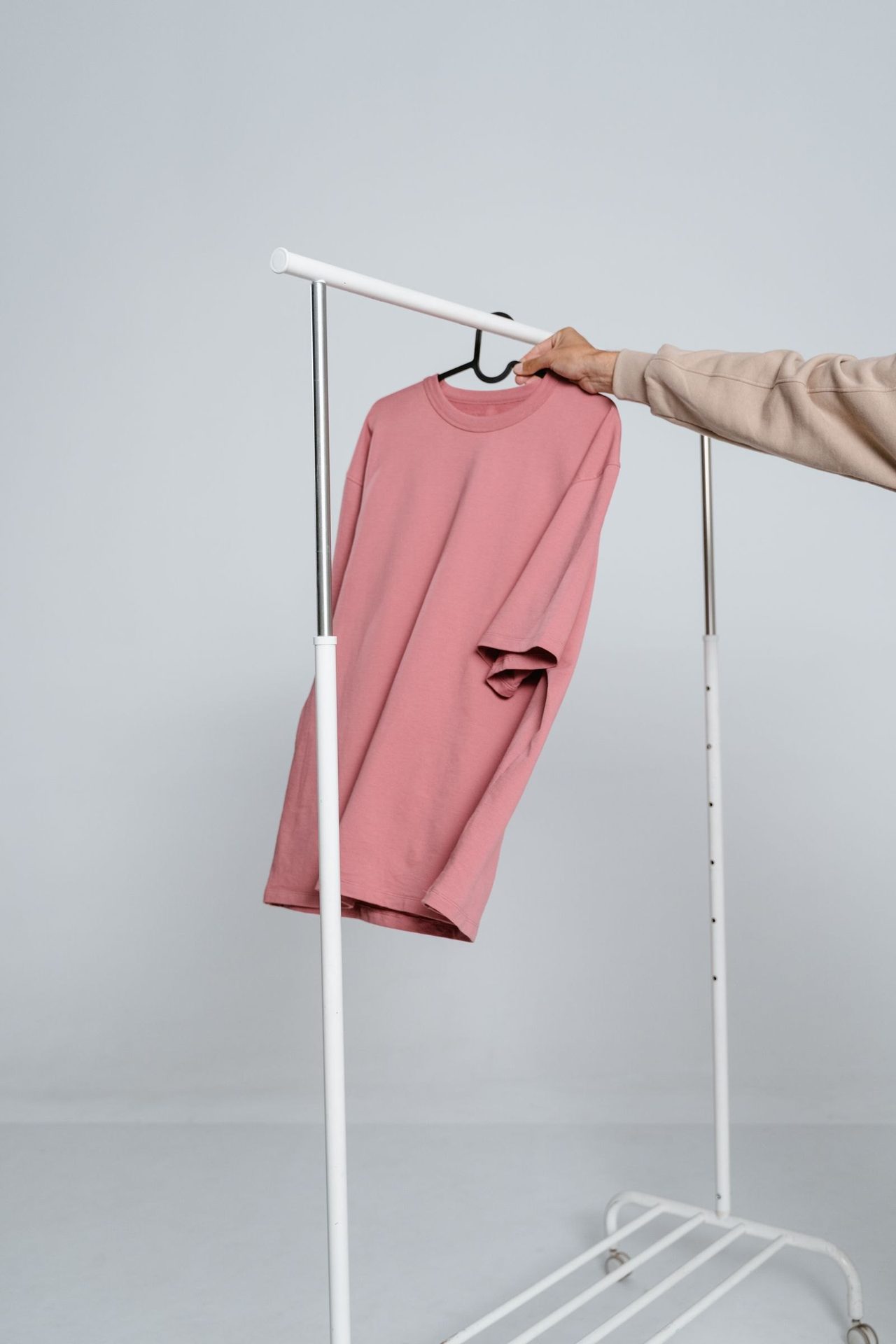
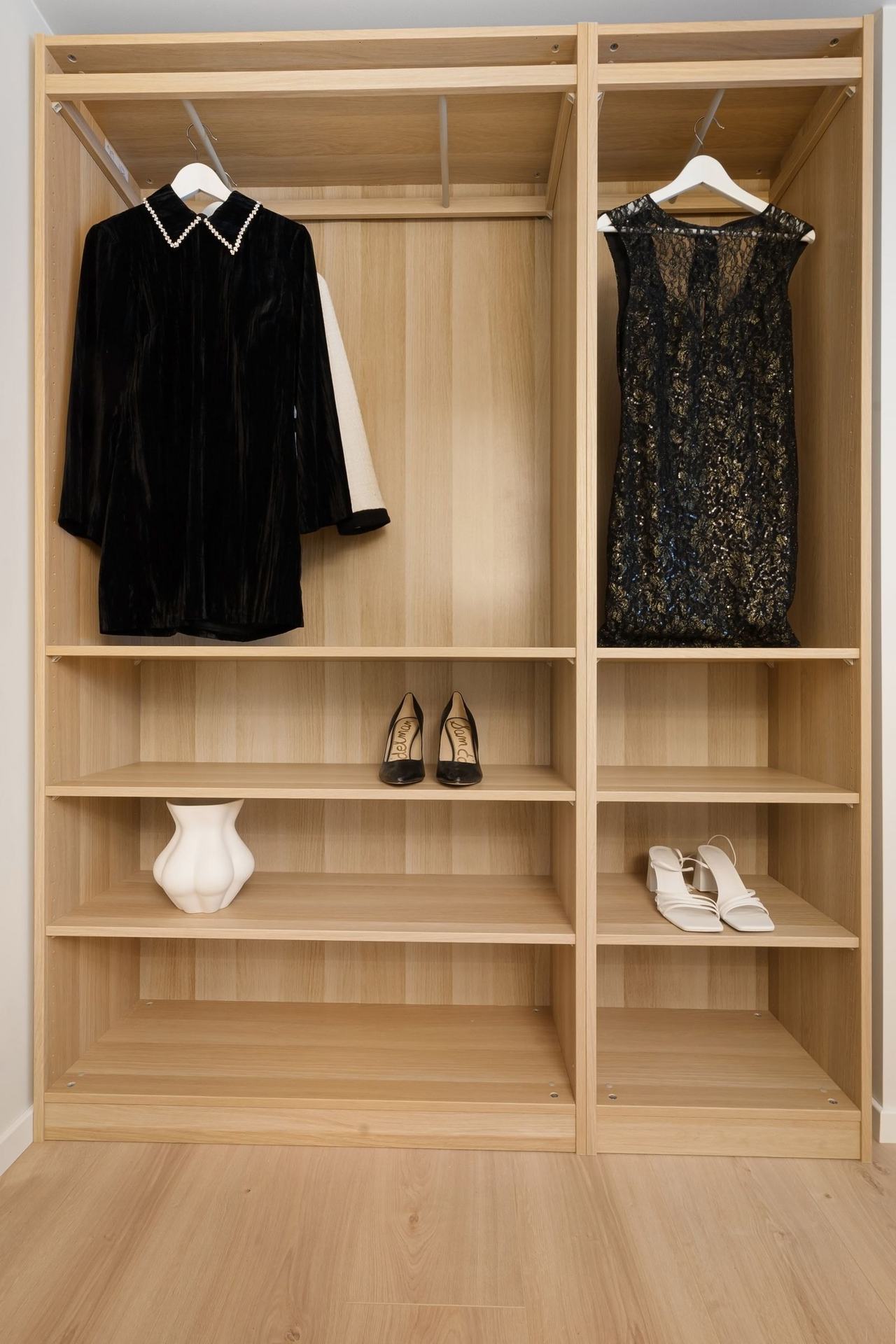
The 80-Percent Rail Test — photo

Budget: Low

The 80-Percent Rail Test

Once a season, mark every hanger you actually reach for over four weeks. In a healthy capsule about 80 percent get worn. Pieces below that line need a reason in writing — occasion, weather or fit — or they go. Sentiment is not a reason; rail space is too scarce.
Low budget
Sleeve Lengths That Clear the Wrist — photo

Budget: Low

Sleeve Lengths That Clear the Wrist

Check sleeves with your arms bent, not hanging straight: cuffs should clear the wrist bone by no more than a centimetre. Sleeves that swallow the hands make every layer above them look sloppy, and constant pushing-up wrinkles knitwear at the elbow within one season.

Low budget
Two Bag Slots: Tote and Crossbody — photo

Budget: High

Two Bag Slots: Tote and Crossbody

Give bags two slots only: one structured tote that fits a laptop and one small crossbody for evenings and errands. Both in your main neutral, one smooth and one textured. A third bag must replace, not join — two well-matched bags cover more outfits than five near-misses.

High budget
Seasonal Swap Box, Twice a Year — photo

Budget: Low

Seasonal Swap Box, Twice a Year

Twice a year, box the true off-season third — heavy knits in May, linen and sandals in October — and label the box with its return date. A rail holding only what this season can wear looks twice as large, and the swap day doubles as a fit and condition audit.

Low budget
Trousers That Sit, Not Pull — photo

Budget: Mid

Trousers That Sit, Not Pull

Fit trousers seated first. Sit, cross your legs and stand: the waistband should not dig, the front should not pull into whiskers, and the seat should recover without a tug. A pair that only passes standing still will spend its life at the back of the rail.

Mid budget
Dress Lengths for Boots and Flats — photo

Budget: Mid

Dress Lengths for Boots and Flats

Choose dress lengths that end at a shoe decision you already own: just above the knee for flats, or mid-calf with a clear gap above a tall boot. The awkward zone — hem grazing boot top — makes both look wrong. One deliberate gap of skin or tight fixes the whole outfit.

Mid budget
Skirt Linings That Prevent Cling — photo

Budget: Low

Skirt Linings That Prevent Cling

For any skirt in a light or fluid fabric, lining is non-negotiable: hold it to the light and check your hand does not show through. Unlined skirts cling to tights, ride up when walking and need a slip that then becomes another piece to manage. Buy the lining built in.

Low budget
The Belt Slot: Two Widths Only — photo

Budget: Low

The Belt Slot: Two Widths Only

Keep belts to two widths: a slim 2cm for trouser loops and dresses, and a wider 4cm for cinching knits and coats. Both in your shoe neutral with the same metal buckle. Two considered belts finish outfits; a drawer of novelty belts just adds a morning decision.

Low budget
Neutral Shoes in Two Finishes — photo

Budget: High

Neutral Shoes in Two Finishes

Hold shoe neutrals to two finishes of the same colour family — matte leather for day, patent or suede for evening — rather than five similar shades. Matching finishes to bags and belts becomes automatic, and one polish kit and one protector spray maintain the whole shelf.

High budget
The Five-Hanger Try-On Edit — photo

Budget: Low

The Five-Hanger Try-On Edit

When the rail feels tired, pull just five hangers — the ones you skip most — and force each into a full outfit with shoes. Keep only pieces that complete an outfit you would wear this week. Editing five at a time takes ten minutes and never triggers a ruthless purge you regret.

Low budget
Rise Rules: High for Tucked Tops — photo

Budget: Low

Rise Rules: High for Tucked Tops

Match rise to how you actually wear tops: if most tops get tucked, every bottom should sit at or above the natural waist so the tuck holds without a belt rescue. One mid-rise outlier forces its own tops and shoes, quietly breaking the interchangeability of the rail.

Low budget
Knit Weights Matched to Season — photo

Budget: Mid

Knit Weights Matched to Season

Sort knits by weight, not colour: fine merino for layering months, mid-weight lambswool for true cold, one chunky piece for deepest winter. If two knits serve the same weight and warmth, one is redundant. Weight gaps, not colour gaps, are what leave you cold in outfits you love.

Mid budget

Your project checklist

0 of 6 steps done

Progress is saved automatically on this device.

Questions

Do I need to buy new pieces for these looks?

Most looks are built from common wardrobe pieces — tees, knits, straight jeans, a blazer. The budget tier on each card is for the key piece only if you do not already own it.

How do I know what will suit me?

Save the looks you are drawn to, then check what they share — a silhouette, a colour family, a layer. That pattern is your style signal; build around it rather than copying any single outfit exactly.

Are these looks seasonal?

The layering and proportions transfer across seasons; swap the knit weight, footwear and outer layer and the same formulas hold from autumn through spring.

Related collections

All style collections · More ideas on the Pinoria homepage