Editor's intro: these are formulas, not trends — each look is built from pieces most wardrobes already own, labelled with a budget tier for the key piece (Low under ~$25, Mid ~$25-$100, High $100+). Save the ones that fit your week and build from there; the checklist at the end turns the collection into outfits.
Budget: Mid
The Shirt Dress, Belted Two Ways
A shirt dress is two work outfits in one garment: belted with the matching fabric belt for formal days, and with a leather belt plus loafers for everything else. Knee-to-midi length and a collar that sits flat under a blazer make it meeting-proof. It is also the fastest full outfit in the capsule — one piece, done.
Mid budget
Budget: Low
Formula: Dark Bottom, Light Top, Dark Shoe
The oldest proportion trick in dressing: dark trousers or skirt, a light top, and a shoe that returns to the dark. The eye reads a long dark line with one bright interval, and the outfit looks planned at any budget. It works with navy and cream, black and white, or charcoal and pale blue — the values matter, not the colours.
Low budget
Budget: Mid
Formula: Long Over Short Over Long
Layer lengths in alternation — a long coat over a short jacket over a long dress, or a long blazer over a cropped knit over wide trousers. The alternating hems create the dimension that makes simple pieces look styled. When a layered outfit looks flat, it is almost always because two adjacent layers share a length.
Mid budget
Budget: Low
Formula: Denim Plus One Tailored Piece
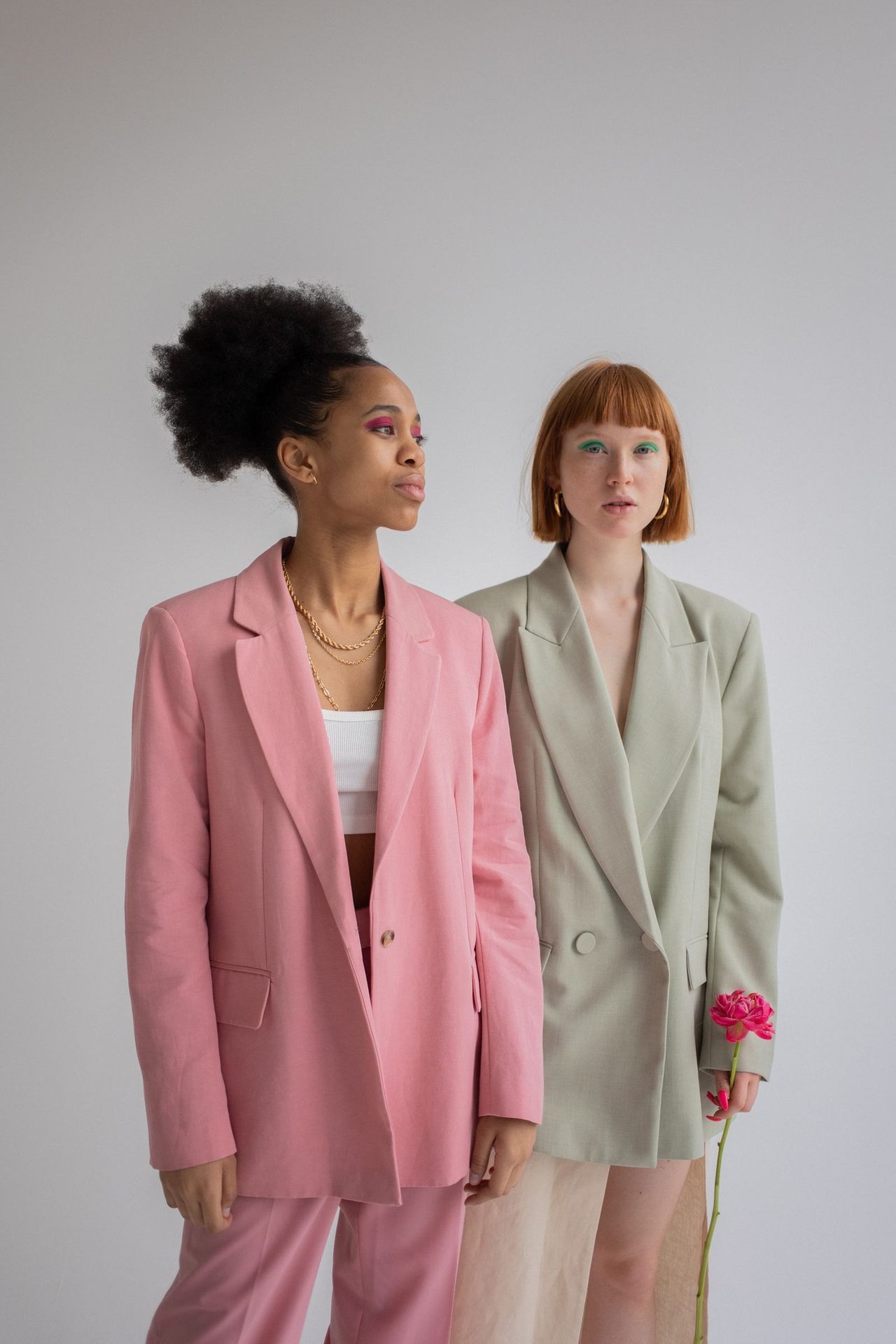
Any denim outfit becomes intentional with exactly one tailored piece: jeans with a blazer, a denim jacket over tailored trousers, a chambray shirt under a suit. One tailored piece is the dose — two and the denim disappears into a suit's shadow, none and it is just jeans. It is the fastest casual formula that still looks dressed.
Low budget
Budget: Low
Formula: The Weekend Uniform, Decided Once
Choose one weekend formula per season — say, straight jeans, striped knit, white trainers, trench — and wear its variations until the season turns. The point is not repetition; it is that weekend dressing stops consuming decisions, and a signature look forms by accident. Change one element per month so it evolves instead of dating.
Low budget
Budget: Low
Formula: Evening = Day Outfit, One Metal Changed
Take the day's outfit and change exactly one element to a metal or shine: the belt buckle becomes the outfit's jewellery, shoes go to a metallic or patent, or a silk camisole replaces the knit under the same blazer. One shine reads evening; three reads costume. It turns almost any work formula into a night one in under a minute.
Low budget
Budget: Low
Formula: One Print, Everything Else Plain
A single printed piece — skirt, shirt, scarf — with every other element in the outfit's plain neutrals. The print gets full attention, the outfit cannot clash, and the printed piece can be as loud as you like because it is outnumbered. Two prints is a skill; one print is a formula, and formulas are for busy mornings.
Low budget
Budget: High
The Coat Is the Outfit Until April
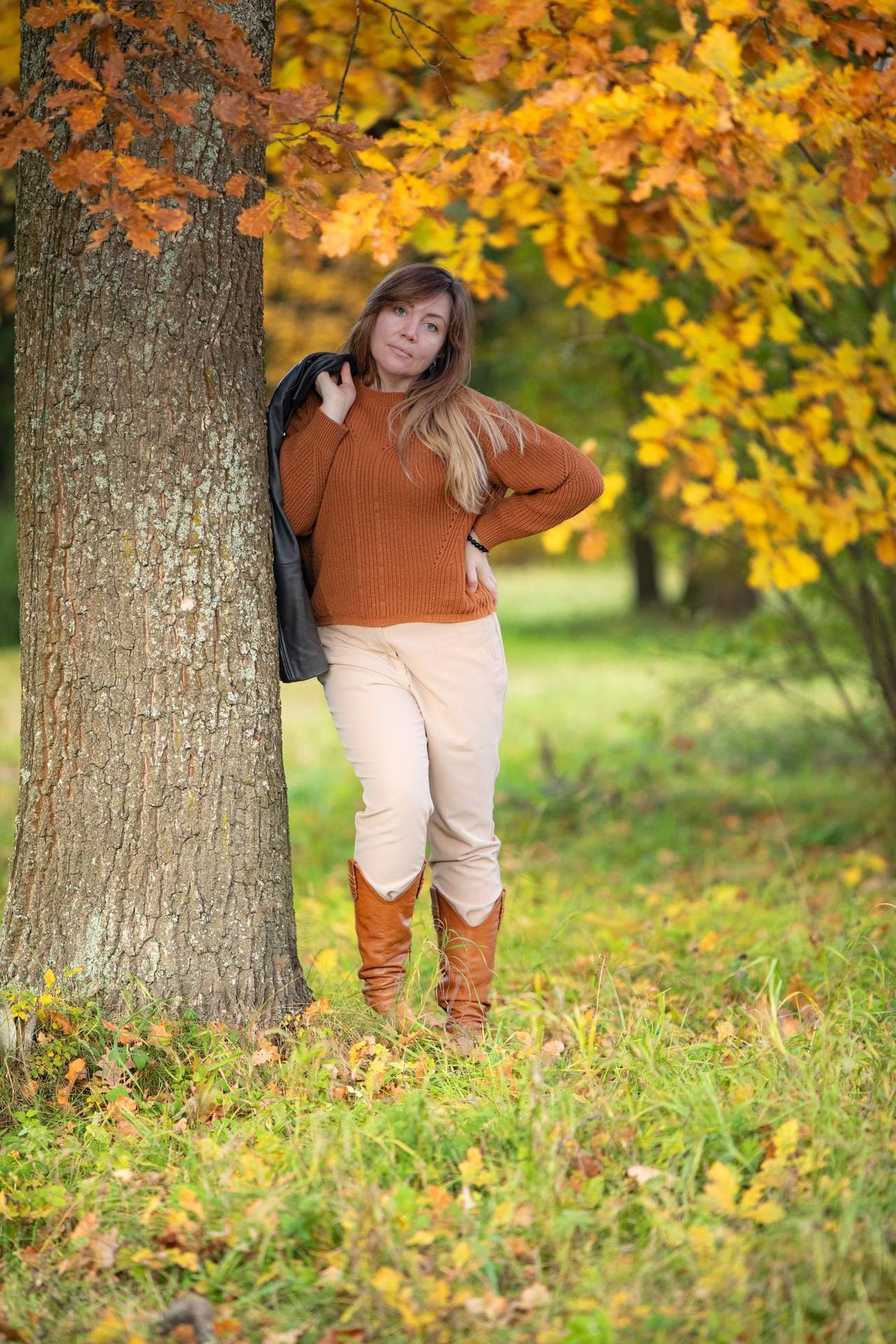
From October on, most people see your coat and boots and nothing else — so fall spending belongs there first. One excellent coat in your main neutral outperforms three outfit upgrades underneath it. Choose it by the commute test: closed, belted, and with a bag over the shoulder, it should still look like the plan.
High budget
Budget: Mid
Layer for the 8-Degree Swing
Fall days routinely swing eight degrees between morning and afternoon, so dress in a removable middle: knit over shirt, blazer or coat over both. Peel the middle layer at noon and the outfit still works. Single heavy layers force a choice between freezing at nine and overheating at two — the swing is the season's defining problem.
Mid budget
Budget: Mid
Midi Skirts Earn Their Keep With Boots
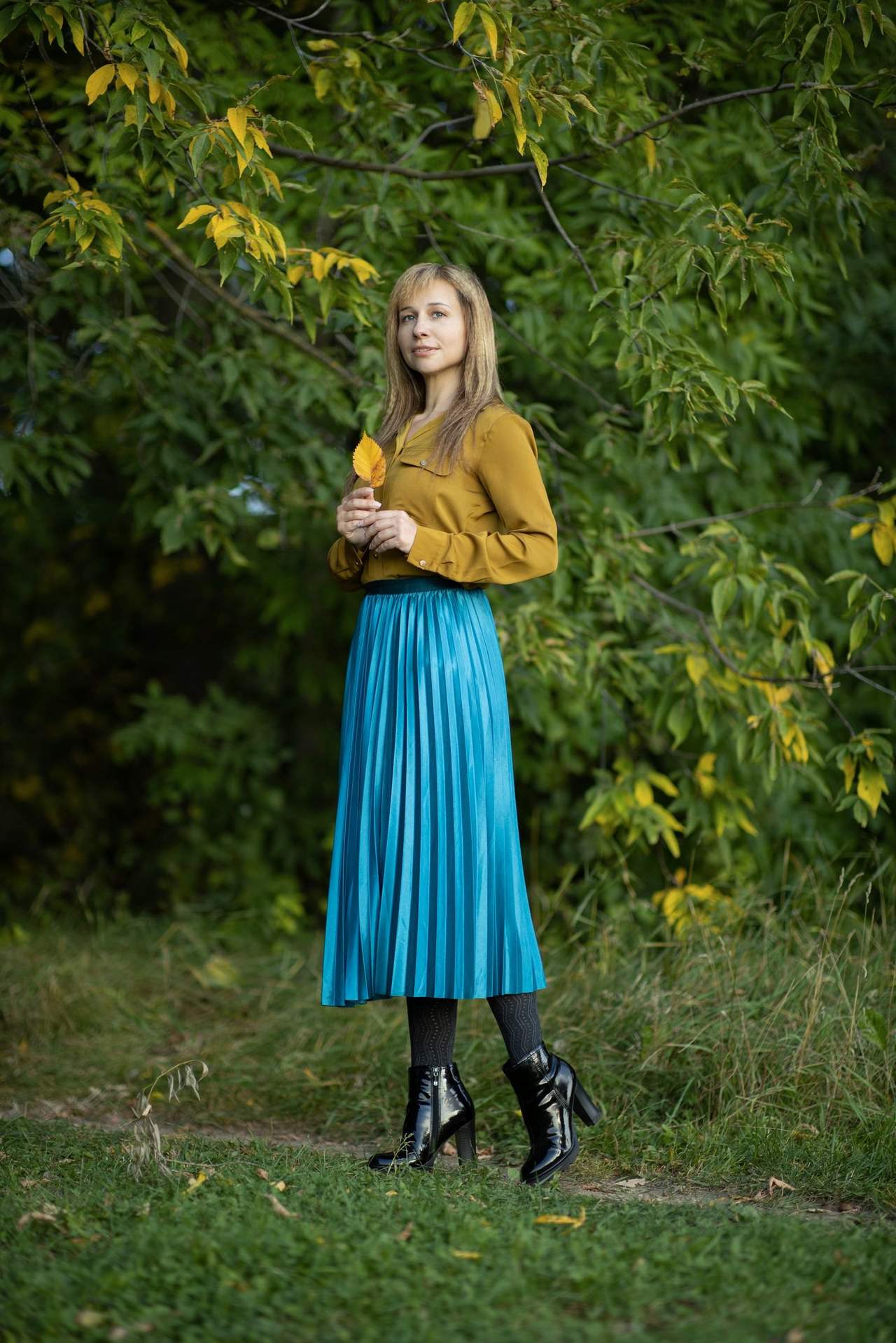
A midi skirt plus ankle boots is fall's most reliable silhouette because the boot closes the gap that makes skirts look summery. Add a tucked fine knit and the outfit survives both office and evening. Choose the skirt in a fabric with weight — crepe or satin-back — so it hangs against wind instead of auditioning for it.
Mid budget
Your project checklist
0 of 6 steps done
Progress is saved automatically on this device.
Questions
Do I need to buy new pieces for these looks?
Most looks are built from common wardrobe pieces — tees, knits, straight jeans, a blazer. The budget tier on each card is for the key piece only if you do not already own it.
How do I know what will suit me?
Save the looks you are drawn to, then check what they share — a silhouette, a colour family, a layer. That pattern is your style signal; build around it rather than copying any single outfit exactly.
Are these looks seasonal?
The layering and proportions transfer across seasons; swap the knit weight, footwear and outer layer and the same formulas hold from autumn through spring.