Editor's intro: these are formulas, not trends — each look is built from pieces most wardrobes already own, labelled with a budget tier for the key piece (Low under ~$25, Mid ~$25-$100, High $100+). Save the ones that fit your week and build from there; the checklist at the end turns the collection into outfits.
Budget: Low
Steam, Never Iron, the Lapels
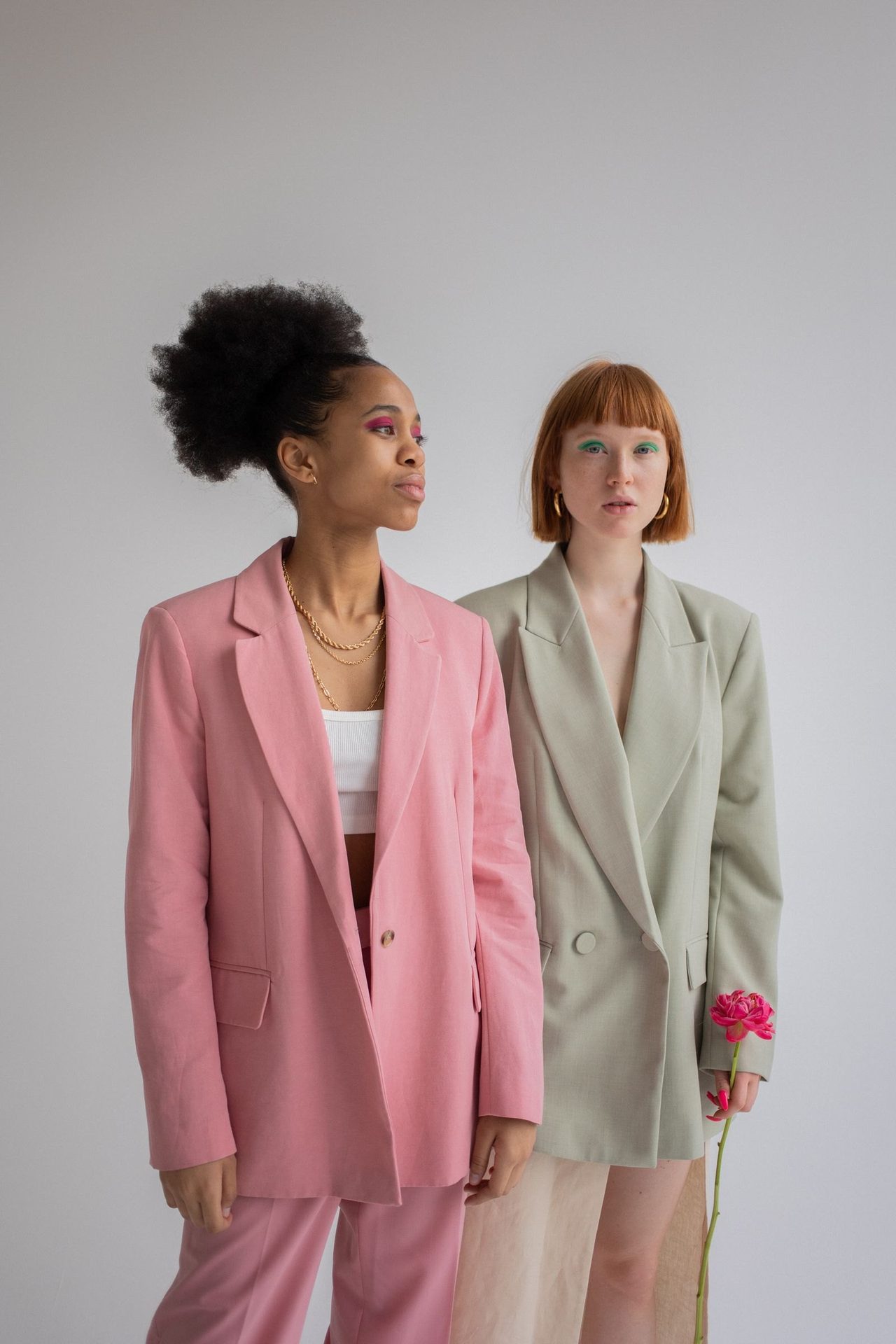
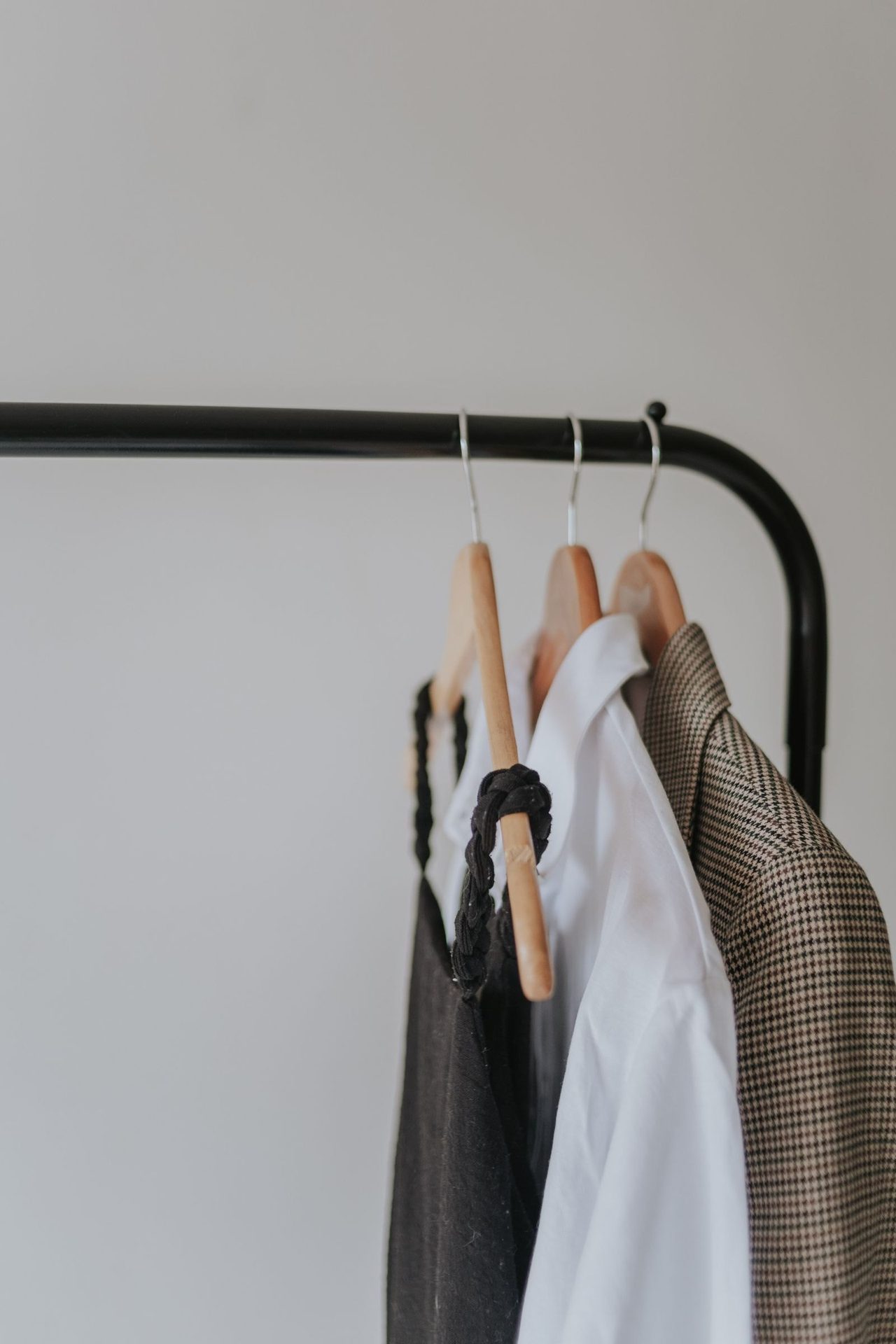
A blazer's lapels are built with internal structure that a direct iron flattens permanently. Hang the blazer in a steamy bathroom for ten minutes, or use a steamer held 15 cm away, and let it dry on the hanger. Creases fall out and the lapel roll — the curve that makes a blazer look expensive — survives to wear another year.
Low budget
Budget: Mid
The Blazer Stays at the Office
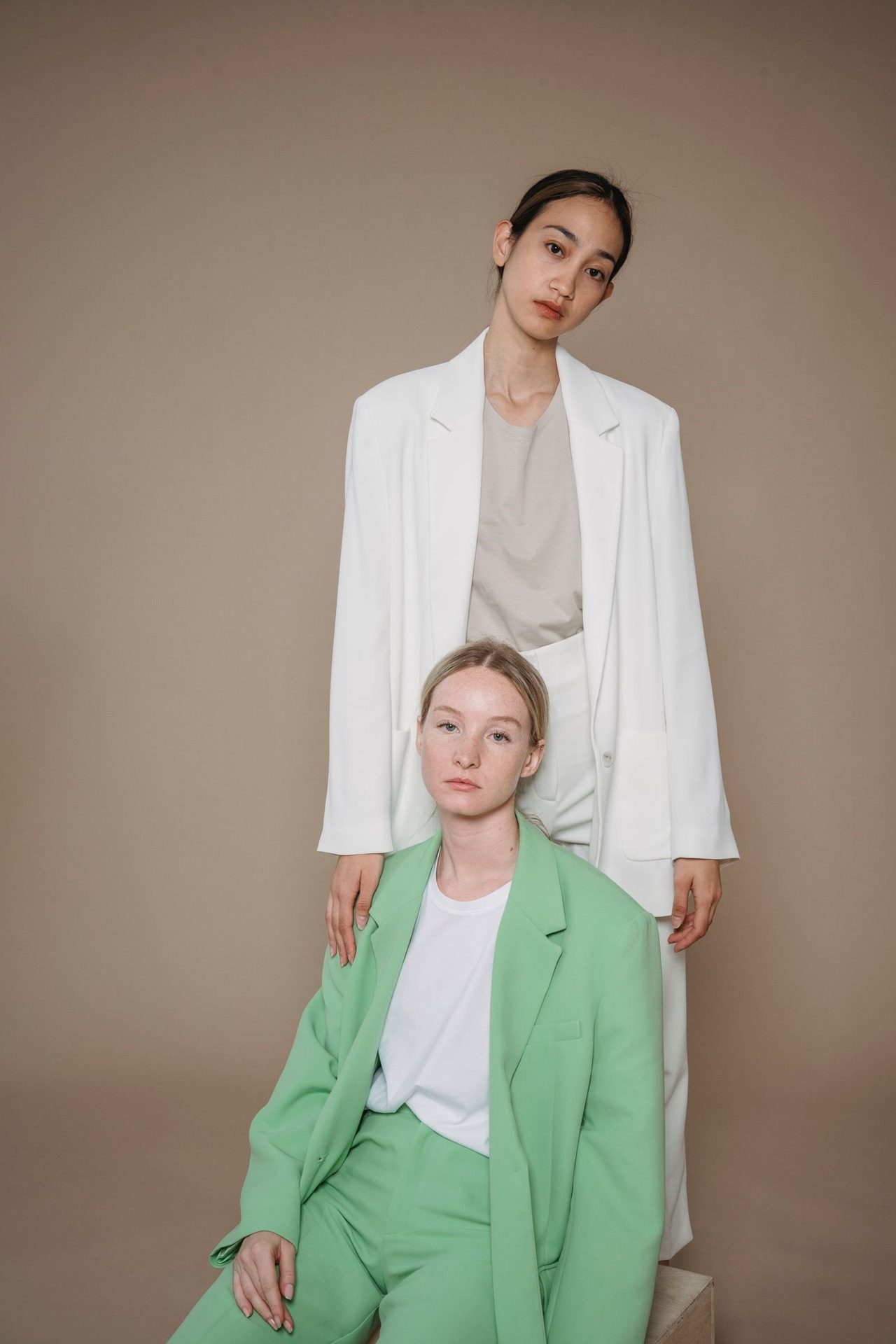
A second blazer that lives at work — on a hook, with a lint roller in the pocket — converts any outfit you commute in into a meeting outfit. It also halves the wear on your main blazer, doubling its life. Choose the office one in the colour your wardrobe's second neutral suggests, so it pairs with whatever arrives.
Mid budget
Budget: Low
Push the Sleeves, Change the Register
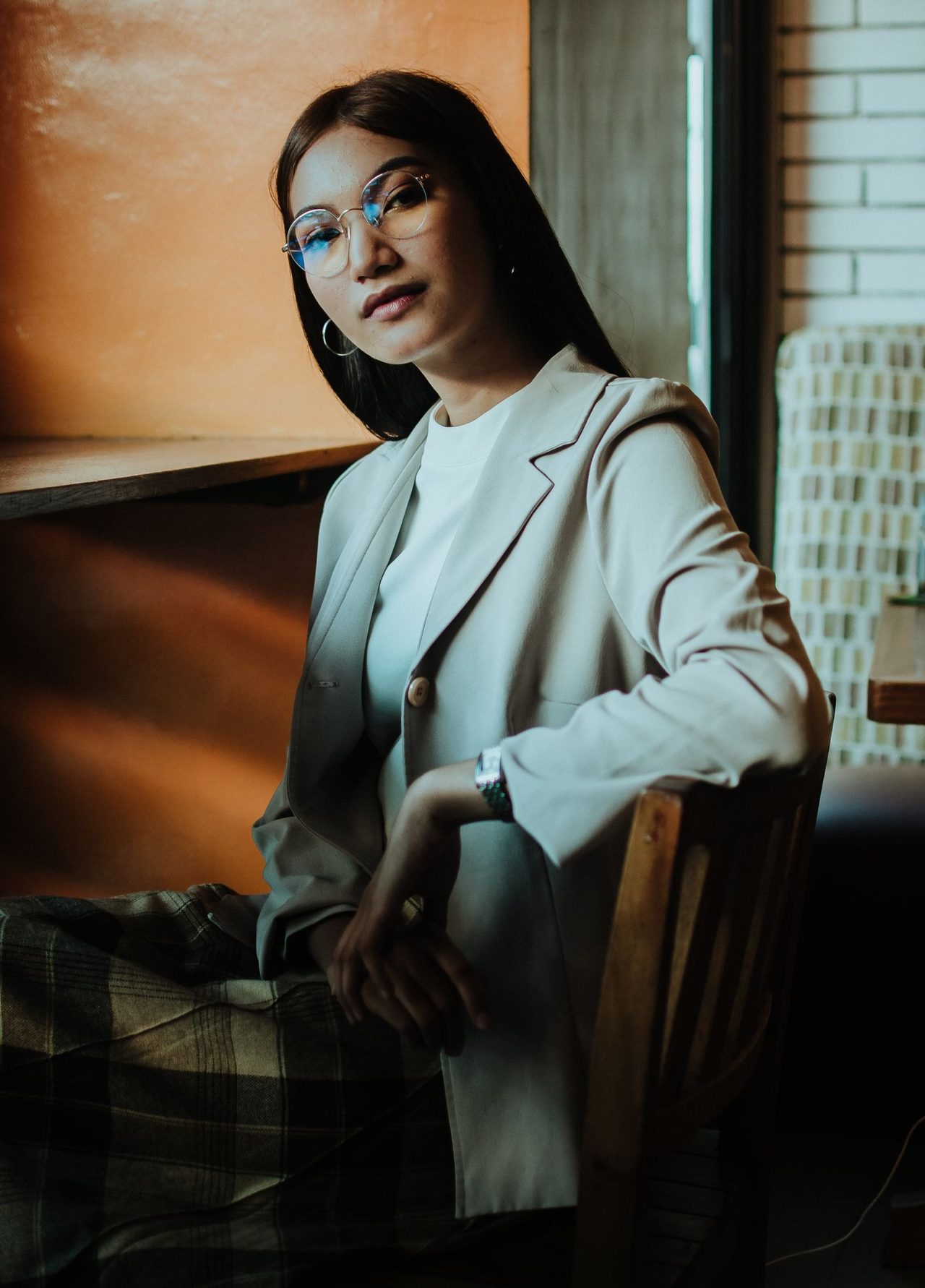
Blazer sleeves pushed to the forearm move the whole outfit one notch casual without changing a garment — boardroom at nine, creative studio at noon, same blazer. The push holds best on unlined or half-lined sleeves; on full linings, one neat roll of the cuff shows the lining as a deliberate detail instead.
Low budget
Budget: Mid
Knit Trousers With a Real Waistband
Work-from-home trousers need a real waistband, buttons or a firm flat front — elastic all round slides into loungewear by lunchtime and your posture follows. Fine knit or Ponte trousers in navy or charcoal feel like comfort and read like tailoring when you stand up on a call.
Mid budget
Budget: Low
The Camera-Ready Collar Rule
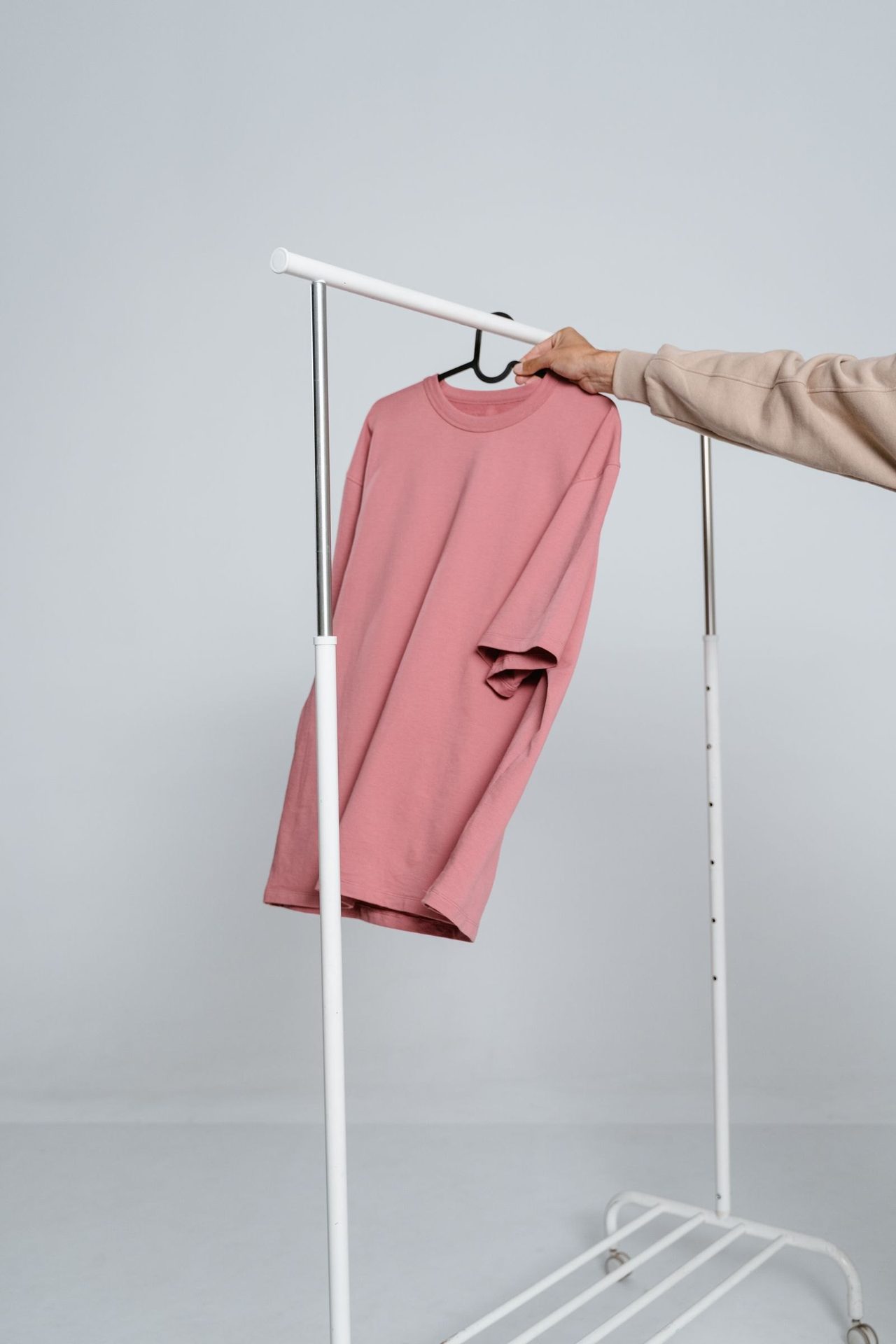
On camera, only the top 30 centimetres exist. Keep two or three tops with collars, necklines or structure that frame the face — a polo collar, a boatneck, a shirt — washed and on hangers by Monday. Below-frame comfort is free; above-frame polish is the whole professional signal.
Low budget
Budget: High
Soft Tailoring for Desk Days
Unstructured, soft-shouldered tailoring is the desk-day middle ground: a knit jacket or jersey blazer alternative that moves when you reach for files but still squares the shoulders on screen. One in navy and one in your lighter neutral carry the whole meeting week on rotation.
High budget
Budget: Mid
Cardigan Kept on the Chair Back
Keep one good cardigan permanently on your chair back, in your main neutral, buttons done up on the hanger so it holds its shape. It is the instant upgrade for surprise video calls over a plain top and the warmth layer for cold rooms — no wardrobe trip, no camera-off scrambling.
Mid budget
Budget: Low
Earrings On, Even at Home
Put earrings on with your morning coffee, before the first call: your small hoops or studs catch light on camera and signal dressed more than any top does. Working from home slips by degrees; a fixed finishing habit at a fixed time stops the slide better than good intentions.
Low budget
Budget: Mid
Trousers That Pass the All-Day Sit
Test desk trousers for a full sitting day, not a fitting-room minute: waistband that does not dig by hour three, fabric that does not bag at the knee by hour six, seat that recovers when you stand. Two pairs that pass rotate cleanly; five nearly-right pairs just rotate discomfort.
Mid budget
Budget: Mid
Polo Knits for Video Calls
A fine polo knit is the work-from-home cheat code: the collar reads formal on camera, the knit feels like a tee off camera. Keep navy, white and your accent on rotation with tailored or knit trousers. It answers the smart-casual question permanently, which is most of its value.
Mid budget
Your project checklist
0 of 6 steps done
Progress is saved automatically on this device.
Questions
Do I need to buy new pieces for these looks?
Most looks are built from common wardrobe pieces — tees, knits, straight jeans, a blazer. The budget tier on each card is for the key piece only if you do not already own it.
How do I know what will suit me?
Save the looks you are drawn to, then check what they share — a silhouette, a colour family, a layer. That pattern is your style signal; build around it rather than copying any single outfit exactly.
Are these looks seasonal?
The layering and proportions transfer across seasons; swap the knit weight, footwear and outer layer and the same formulas hold from autumn through spring.